In the business world, people often joke that the most expensive customer is the first one. In the field of supplemental education, this joke turns into a harsh economic axiom.
Many successful entrepreneurs in the field of children's education are former top managers, banking professionals, or marketers who reached a breaking point, realizing they no longer had the drive to build someone else’s empire for 12 hours a day.
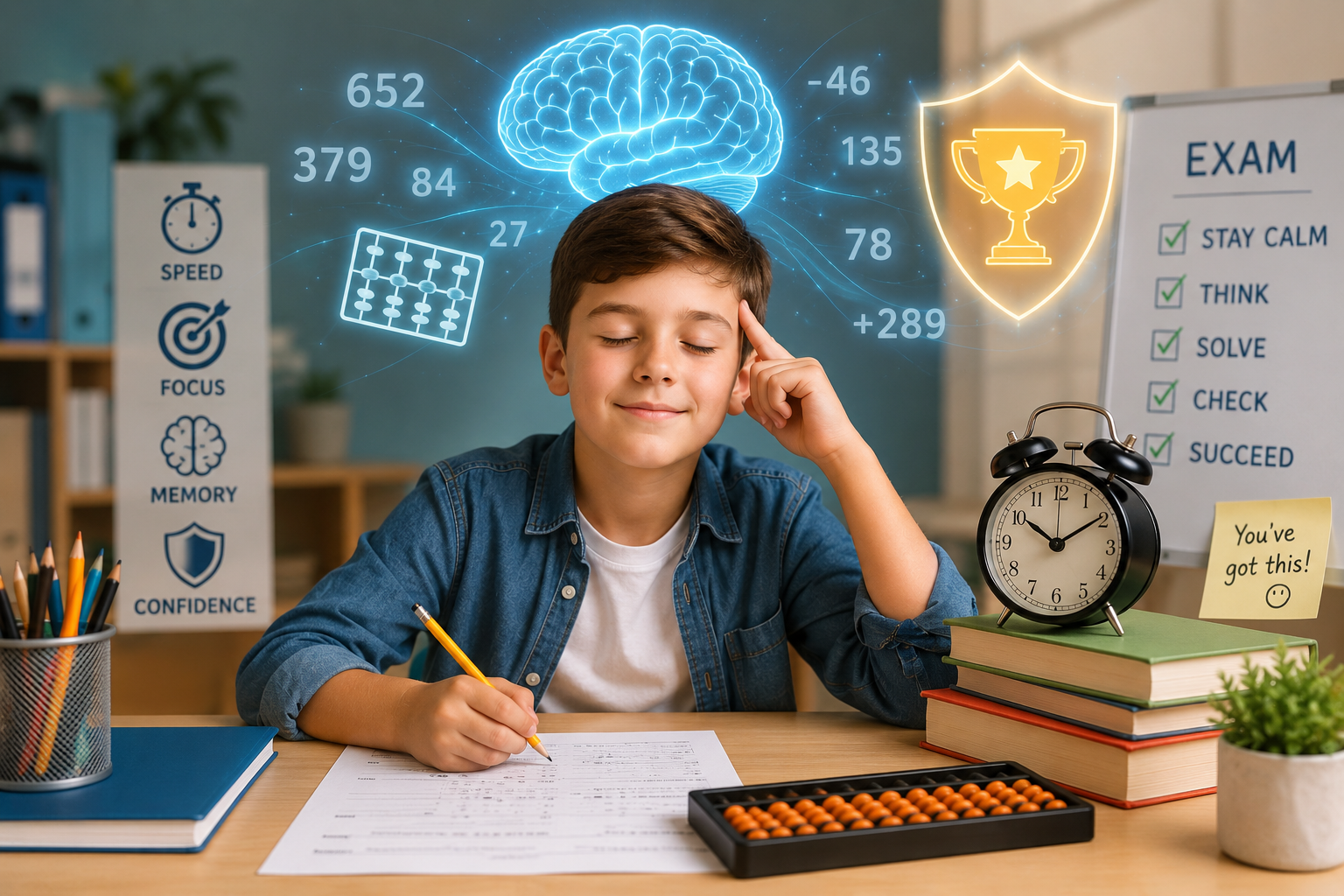
For most families, the end of the school year turns into a true survival marathon. Year-end tests, final assessments, and knowledge checks place immense pressure on children. Even students who know the material well often falter due to simple anxiety, time constraints, or lapses in concentration.
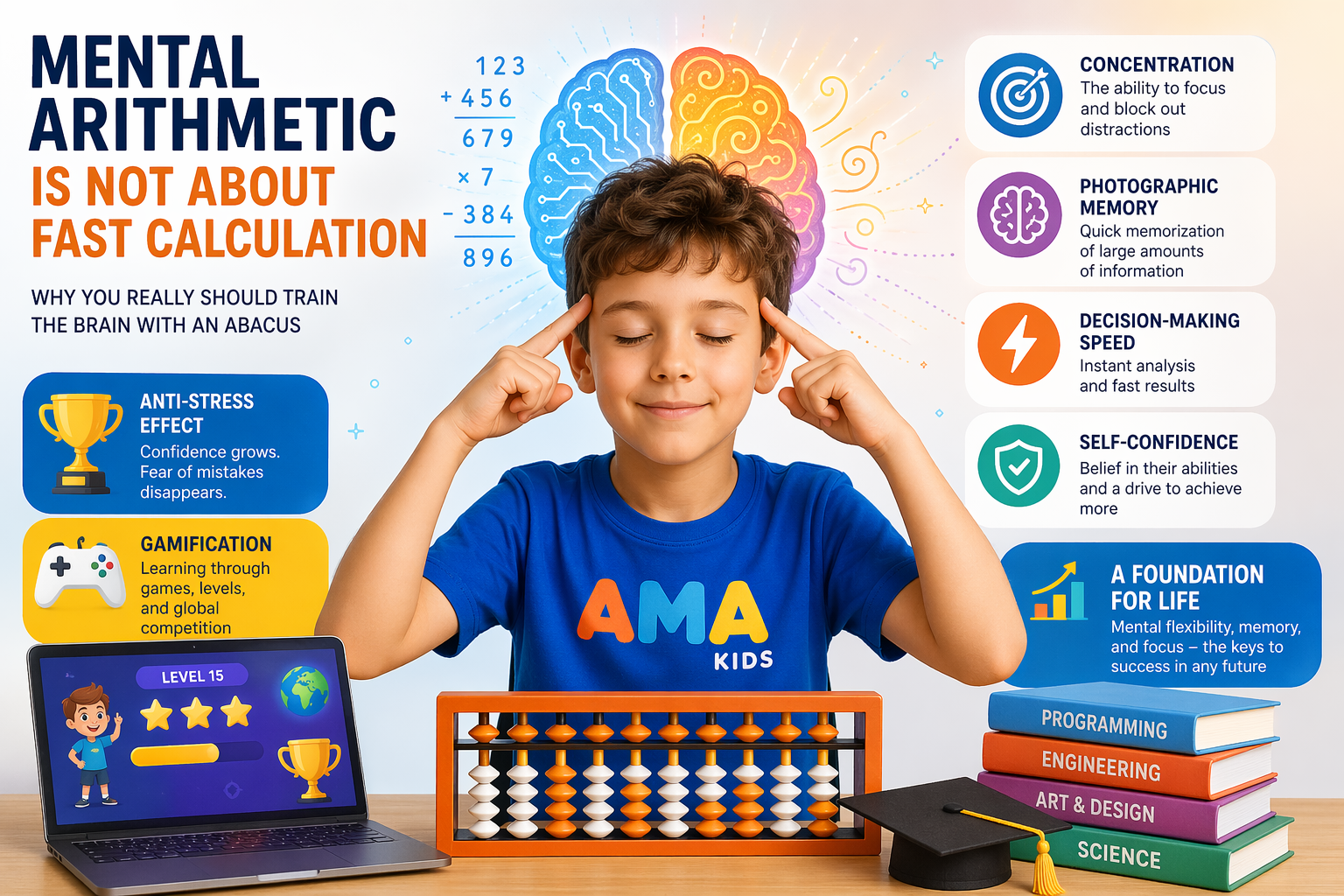
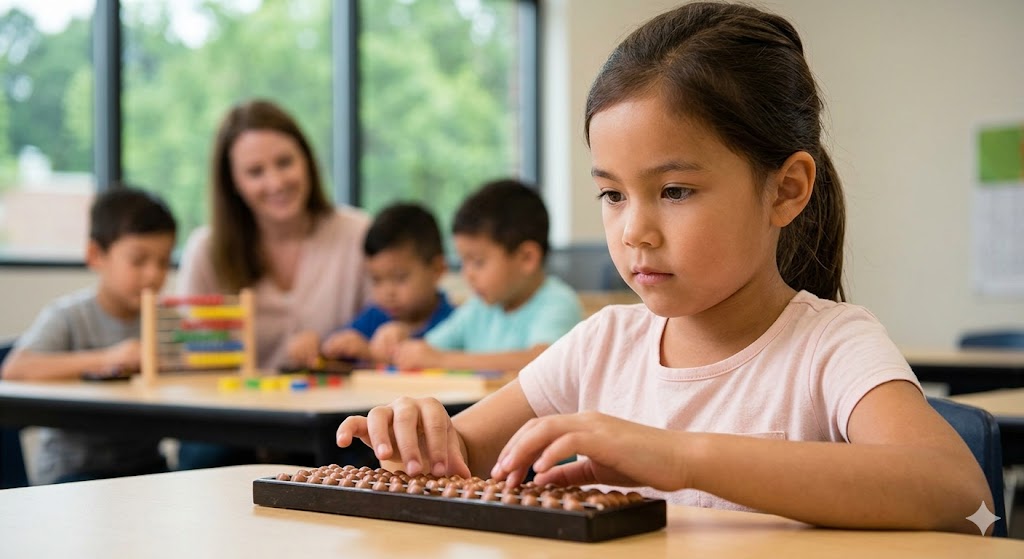
When parents first see a video of a child adding three-digit numbers in seconds while reciting a poem, the first reaction is: "That's a magic trick." The second is: "Why do we even need this in the age of calculators?" And this is where the main misconception lies. Mental arithmetic at Amakids isn't a training course for young accountants. It is a high-performance brain trainer where rapid calculation is merely a side effect—a pleasant bonus to much deeper cognitive changes.
When parents first hear about mental arithmetic, the same image almost always comes to mind: a child lightning-fast at calculating large numbers. The speed is indeed impressive. But if you look closer at the lessons, it becomes clear that the method’s primary value lies elsewhere.
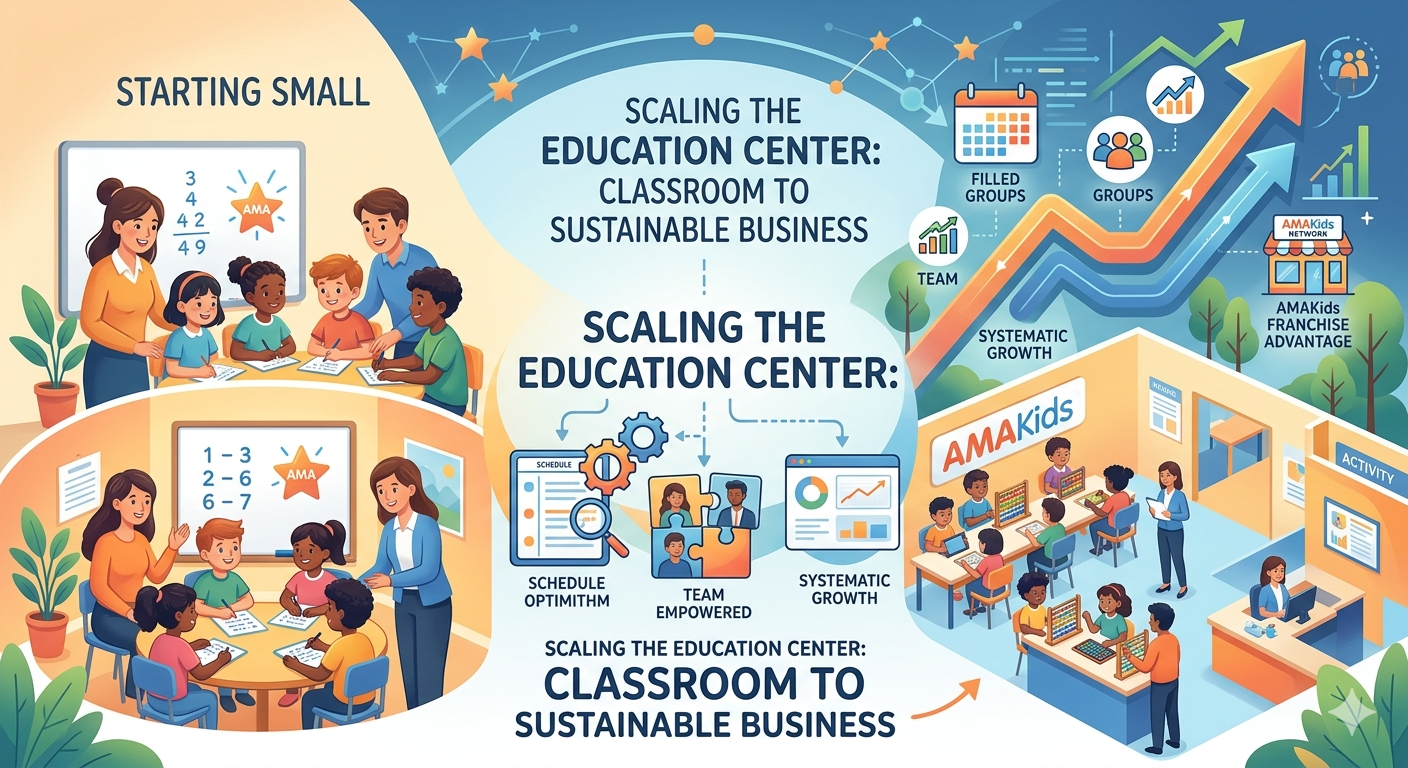
Scaling an Educational Center: When a Single Classroom Becomes a Sustainable Business
Leave a request for a free consultation
Submit your data & we will contact you shortly
By submitting this form you agree that the company can process your personal data and send you news, information and advertising/promotional materials.
We will contact you shortly