Visual working memory
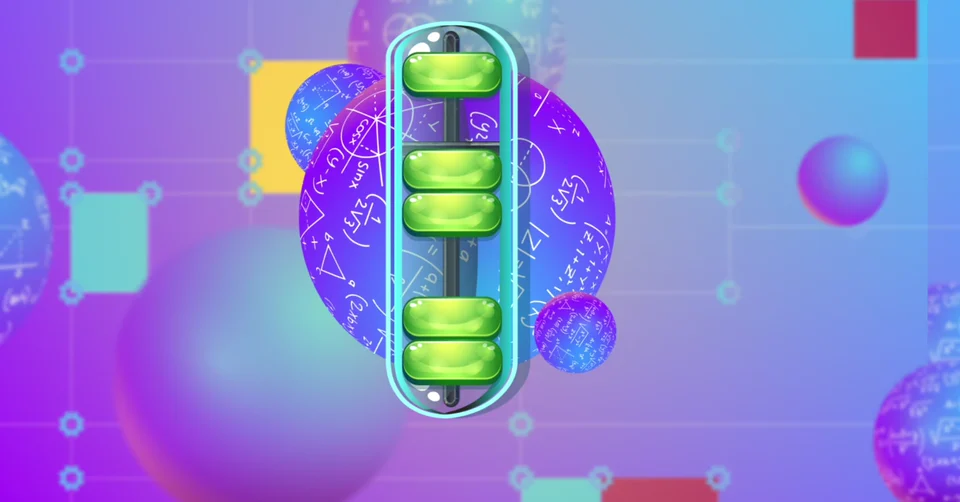
Hold a bead pattern in mind and update it as each new number appears.

Franchise program · ages 5–15
A ready-to-launch abacus program for your centre or school
Get the methodology, original workbooks, a learning platform and teacher training to run Mental Arithmetic in a new centre, an existing school or across your region.
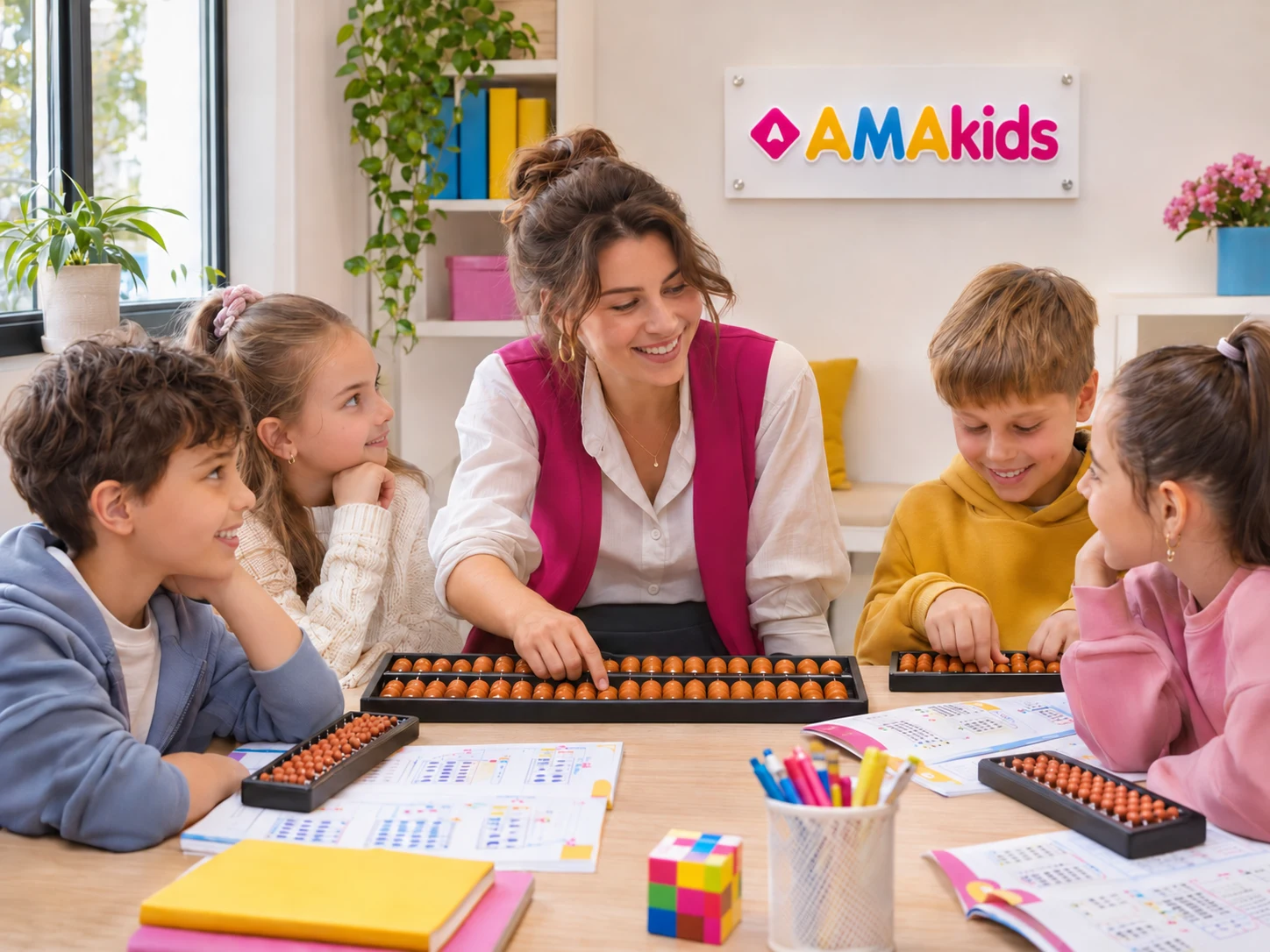
On a Japanese soroban, a number has a shape. Children start by moving the beads. Once they can picture those patterns, they can use the same movements in their heads to solve a calculation.
Use a physical abacus to see how bead positions represent numbers.
Try short visualization exercises early, while the physical abacus is still there as a reference.
Update the mental image as numbers change, then work towards longer sequences at a steady pace.
Each exercise targets a specific skill — the outcomes parents look for when they choose a course.
Hold a bead pattern in mind and update it as each new number appears.
Stay with a sequence from the first number to the final answer.
Respond faster while checking that answers remain correct.
See place value and recognize how numbers can be combined.
Switch between seeing a number, hearing it and picturing it on the abacus.
Repeat a manageable challenge and see what becomes easier over time.
A ready schedule for your centre: one weekly meeting of two lesson blocks with a short break, with the pace and activities matched to each age group.
Recommended group sizes: up to six children aged 5–6 and up to ten in older groups.
Year 1 · Foundation
Start with basic bead movements, build fluency with number combinations and move towards mental calculation, known as Anzan.
Year 2 · Continuation
Apply abacus and mental calculation skills to multiplication and division with increasingly complex numbers.
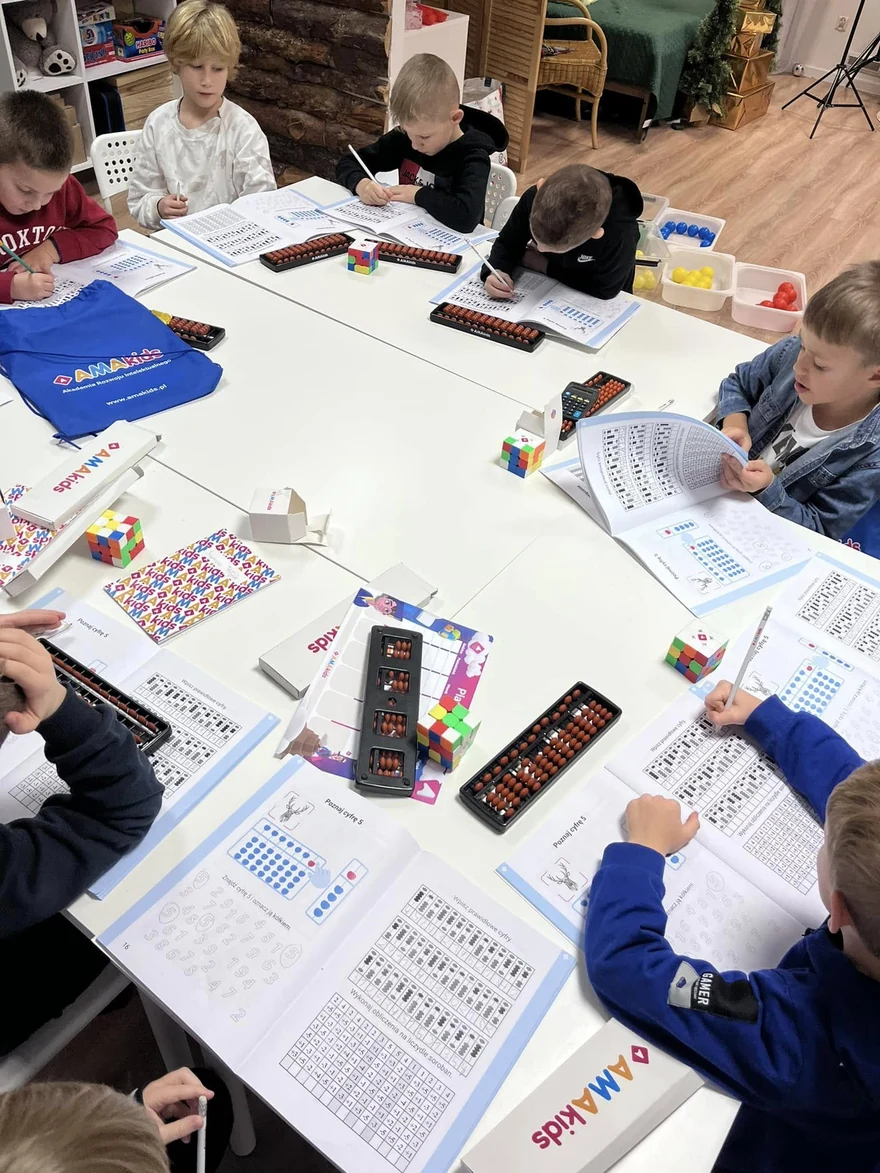
Lessons run with a teacher, a soroban and AMAkids workbooks. The platform gives your students practice between lessons and gives teachers tools to assign it and review the results.
See children use their abacuses and printed workbooks, then bring selected pages to life by scanning them with a device.
Tour the student dashboard and see interactive mental arithmetic games in action. Follow a Neurotraining round, timed speed drills and a Mental Arithmetic match in Arena.
Educators assign Neurotraining to reinforce the skills covered in class.
Students can earn AmaCoins and try challenges that build on their current level.
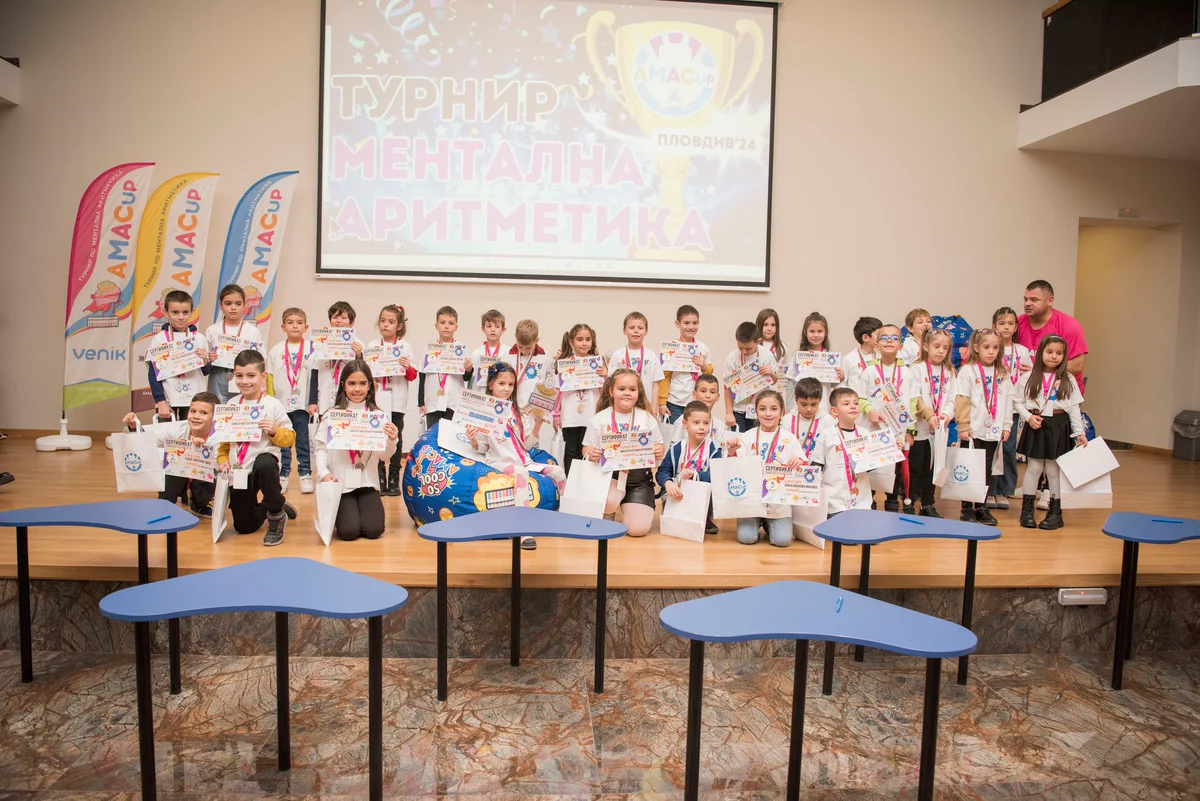
Your students can take part in local events and AMAkids Olympiads.
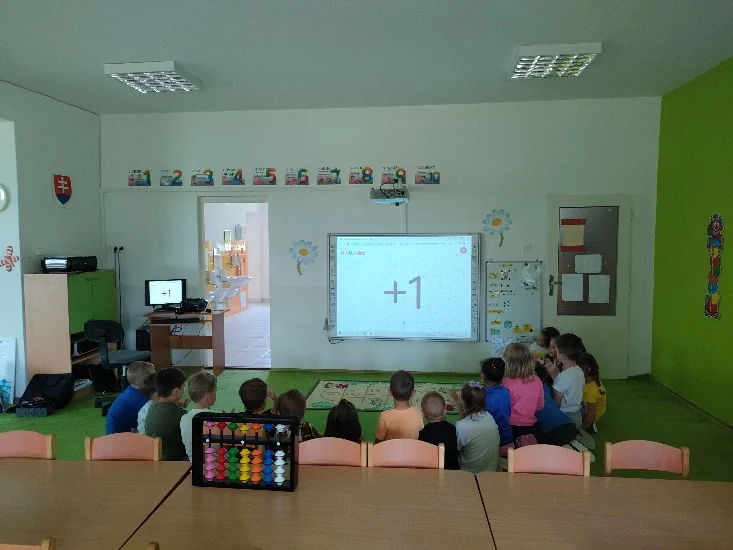
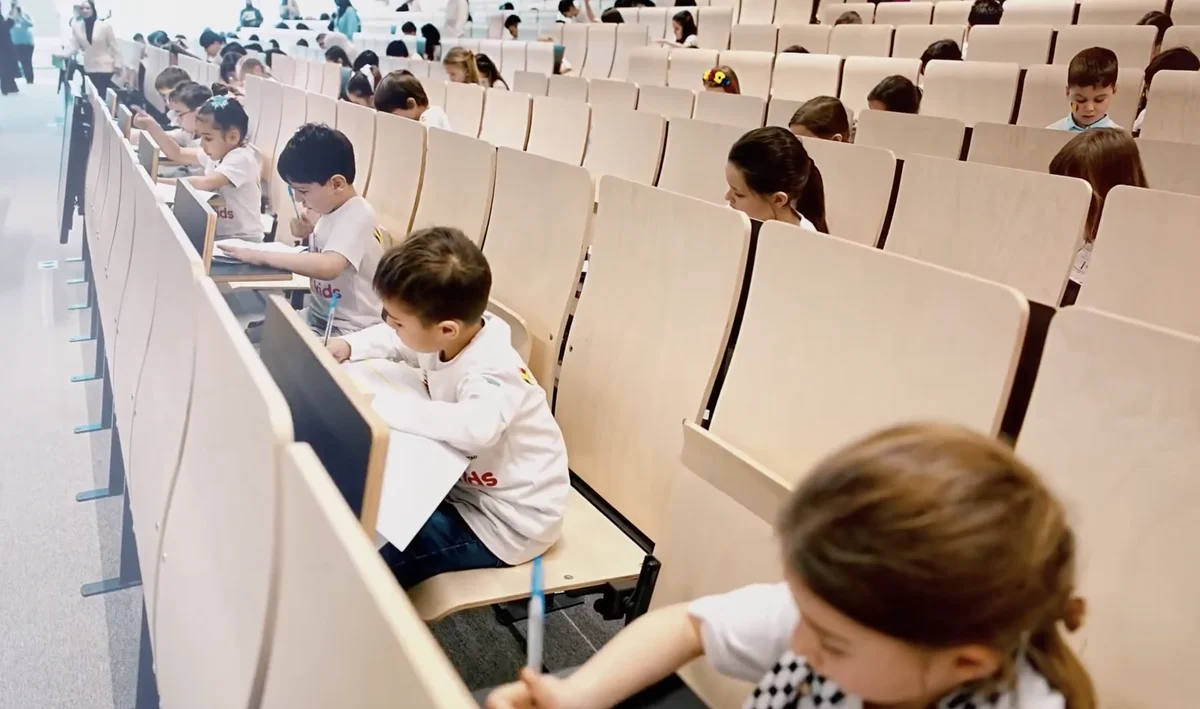
Bring an age-structured enrichment program to an existing setting or build it into a new education business.
Learn how to teach the course and adapt the pace and practice to your group.
Visible progress helps your centre show results to families, from reading a bead pattern to solving sequences mentally.
The pace of progress varies by learner and depends on regular practice.
No prior abacus experience is required. Teachers learn the method and classroom delivery in AMAkids training. Educator training and official AMAkids certification are mandatory in all partnership formats and cover the methodology, workbooks and platform tools.
A defined curriculum and original course materials, student workbooks with augmented reality, access to the learning platform, educator training, and technical and operational support in line with your partnership.
Teachers assign Neurotraining and timed speed drills between lessons and review the results. Parents and students can follow activity, accuracy and completed levels in the Training History on the platform; users with a Premium subscription also receive detailed, regular progress reports.
Three age groups on two learning tracks: ages 5–6 (2 × 35 min), 7–10 (2 × 35 min) and 11–15 (2 × 45 min), usually in one weekly meeting. Recommended group sizes are up to six for ages 5–6 and up to ten for older groups.
The core course takes two years: addition and subtraction in the first year, multiplication and division in the second. Students can then continue with the optional Academica practice and take part in local and international events.
Yes. AMAkids offers in-person and online formats. The formats, teaching languages and age groups for your market are discussed with the AMAkids team.
The core learning tools are a physical abacus and an AMAkids workbook. A compatible device is used for digital assignments and, where available, augmented reality. At-home practice is brief, around 15–20 minutes, split into short interactive rounds.
AMAkids offers several cooperation formats, including launching a new AMAkids centre, developing a territory or integrating the course into an existing school or education centre. In all formats, educator training and official AMAkids certification are mandatory to ensure teaching quality, covering the methodology, workbooks and platform tools. You can explore available models and terms on our Franchise & Partnership page.
Calculation is the workout tool. The real goal is training concentration, memory and processing speed for any school or life task. An abacus exercise challenges children to hold changing visual patterns in mind and make fast, accurate decisions.
Bring the program to your community with the AMAkids methodology, original workbooks, learning platform and teacher training. Explore options for schools, education centres and new operators.